When to Order Construction Materials to Keep a Project on Schedule
Ordering construction materials at the right time keeps a project moving. When lumber, sheet goods, and hardware arrive before the crew needs them, framers, roofers, and finish carpenters can keep working. When deliveries arrive late, that idle time adds cost and pushes the rest of the schedule back. This guide explains how to time construction materials orders so each delivery matches the build sequence.
Start With a Takeoff and a Build Sequence
A material takeoff gives every order a clear starting point. It lists the quantities, sizes, and grades needed for each phase of the job, from foundation and framing through roofing, siding, and interior finish. Without a takeoff, orders tend to come in piecemeal, and crews often wait for a missing item that could have been ordered with the rest.
Pair the takeoff with the build sequence. Write down the week each trade will start, and note which materials that trade needs on its first day. This list shows which orders are urgent and which can wait for a later delivery.
Work Backward from the Crew Schedule
Planning orders backward from the date each trade needs materials is more reliable than planning from the project start date. Begin with the crew start date, then subtract the time needed for ordering, processing, and delivery. Add a buffer for transit and for any item that may need a special order.
A simple way to do this is to make a short schedule that lists each material group, the date it is needed on site, and the latest date the order can be placed. Review the schedule with the crew foreman each week, and update it when the build changes.
Allow Extra Time for Special Orders
Stock items are usually the easiest to schedule. Special orders need more lead time because the material may have to be sourced and shipped. Uncommon sizes, species, and specialty products often fall into this group.
Flag special items early in the planning process. If a product is not on the shelf, ask the team whether it can be special-ordered and shipped to the yard, and confirm the expected arrival before setting the crew start date.
Schedule Deliveries Around the Job Site
Delivery timing affects more than the arrival date. A large load delivered before the site is ready can block access, create a safety hazard, or leave materials exposed to the weather. A load that arrives too late can stop the crew.
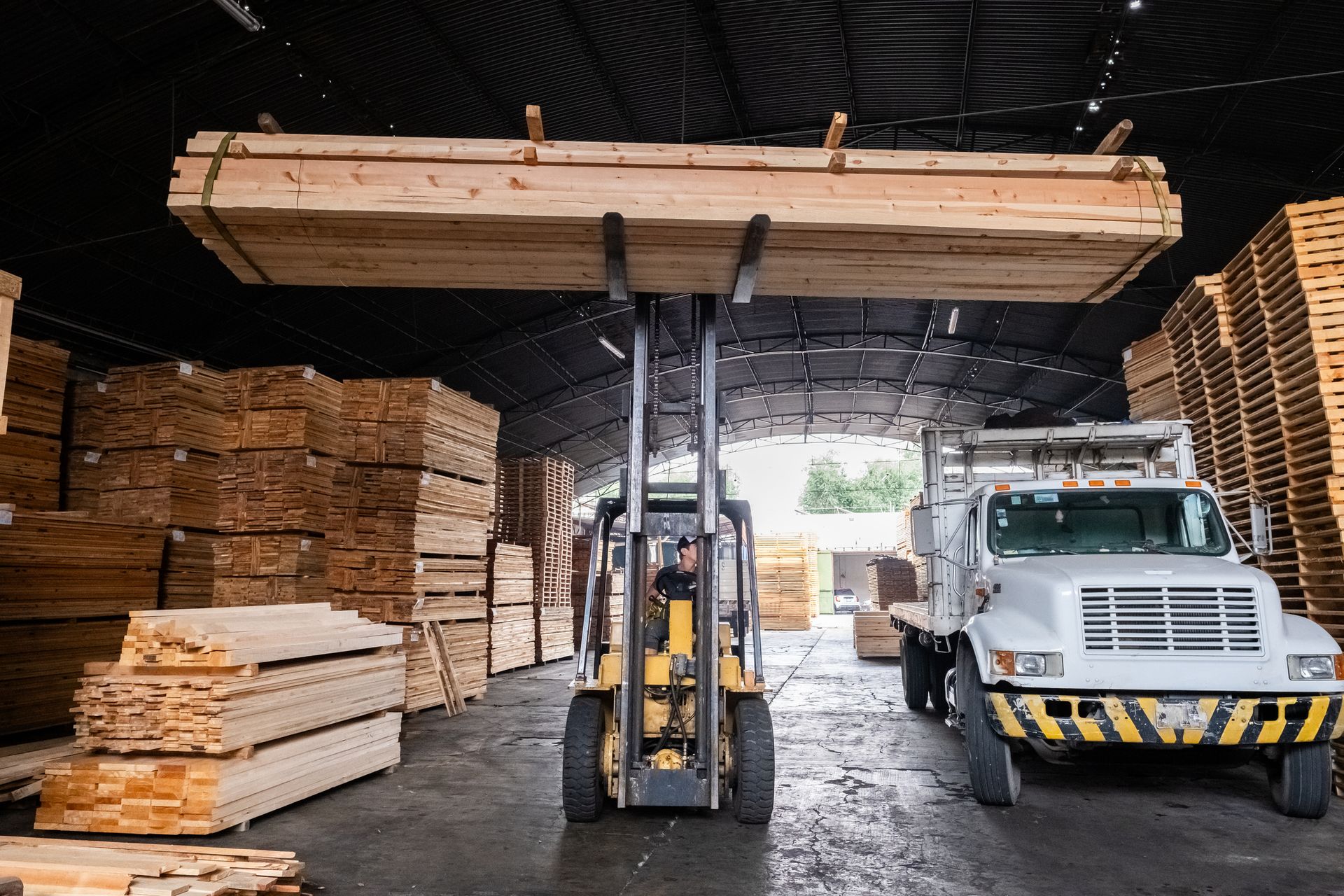
Coordinate drop-offs with the crew so that materials arrive when the work area is ready. Ask the delivery team how they will place the load, and confirm the access route, the drop-off point, and the contact on site before the truck is scheduled.
Plan Around Weather and Site Conditions
Weather affects when materials can be installed and how they should be delivered and stored. Rain, snow, and extreme heat can slow framing or roofing, so a crew may need to adjust its sequence. When weather shifts the schedule, review the order plan the same day and confirm whether any deliveries need to move. Keep materials covered and off the ground until they are needed. This protects them and gives the crew a dry, organized place to start.
Check Orders Before the Crew Arrives
A quick review before each delivery prevents avoidable delays. Compare the quantities and grades against the takeoff, confirm that fasteners and hardware are included, and check the items against the plan set. A missing bundle of fasteners can stop a framing crew as quickly as a missing stack of lumber.
Plan Your Next Order With Adams Lumber Company
A good order schedule keeps crews working and budgets on track. Adams Lumber Company can help you build a takeoff, identify special-order items early, and plan delivery windows around your build sequence. Browse the
lumber yard products to see what is stocked, or
contact the team to start planning. You can also call
(303) 699-7060 during business hours: Monday through Friday, 7:30 a.m. to 5:00 p.m., and Saturday, 8:00 a.m. to noon. The office is at 6720 South Jordan Road in Centennial, Colorado.